Parametric Insurance is a flexible, unique solution designed to protect the developer’s balance sheet in an increasingly hardening property insurance market. In recent years, natural catastrophe damage to renewable energy assets across the U.S. has become intolerable for developers & long-term owners. The pattern of severe weather events from the past, present and future demonstrate that significant storms in both frequency and severity aren’t expected to slow down.
The last several years alone have reflected significant increases from the previous 10-year average and these insured losses aren’t expected to slow down any time soon. Solar panels specifically, with their unique vulnerabilities and exposed locations, have felt the harsh consequences of this and are experiencing the effects of climate change.
Already off to an early and unpredictable season for 2023, renewable energy owners are facing unsustainable insurance costs that continue to disrupt financial models and overall growth of a clean energy future. Our solution; pairing traditional insurance with our Parametric insurance product to combat weather-specific perils driving overall insurance costs.
THE Problem
In this case study we’ll examine the application of parametric coverage as it pertains to a large scale solar developer with 6 solar projects in in 5 different states (OH, TX, NY, WA, and WY). The total portfolio is currently at 1.7GW.
The developer here owns renewable energy assets in severe weather-prone states and is getting increasingly concerned with unpredictable premium costs and declining coverage. Traditional coverage for the portfolio with standards XS CAT limits and no parametric came in around $12M – $13M in premium.
THE Solution
To address the insured’s concerns we applied a parametric supplemental policy for their multiple CAT exposed projects. The total premium with the supplemental parametric applied came in around $9M, saving the insured $3M annually.
HOW IT WORKS
A Parametric Insurance policy is triggered when a certain metric of a storm has been recorded at a site location. Parametric insurance doesn’t have any deductibles or waiting periods, therefore the amount of coverage you purchase is the amount you have access to at any given point after a storm causes damage. The triggered metric size & amount of limits purchased in the policy is completely under your discretion and based on several key details to meet your risk comfortability.
Example
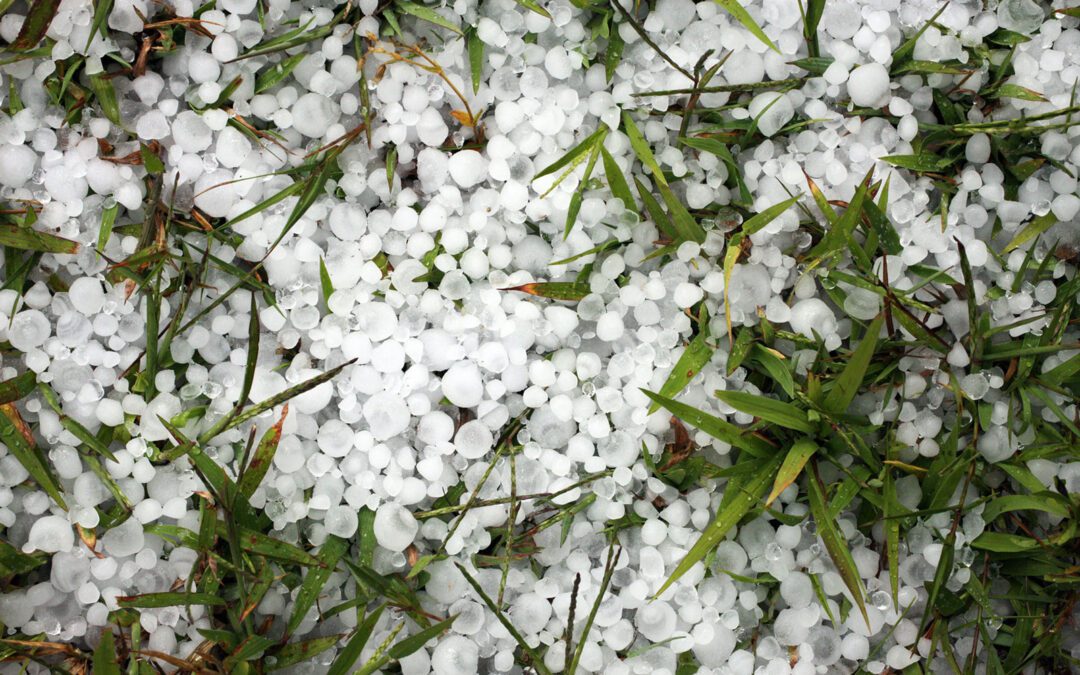
A 3” inch hailstorm hits a solar project in the state of TX causing $6M dollars of damage. Prior to the storm, you purchased a $10M limit Parametric Hail policy which triggers a 50% payout at 2” inch hail and 100% payout at 3” inch.
Results
You will be indemnified for all costs associated with hailstorm. This includes, physical damage, lost income, & any other financial loss associated with the hailstorm. Claim gets paid out within 10 days of the storm hitting the site.
Example Payout Structure – Hail
You have a Parametric Hail policy and your selected payout starts at 2” inch hail diameter. Once 2” inch hail has been recorded at the site, your insurance policy is triggered, and you will have access to the limits purchased for any damage or financial loss caused by the hailstorm.
Parametric Hail Policy triggering at 2″ hail
| Hail Size Scale | Payout (% of Location Limit) |
| 1 inch | 0% |
| 2 inch | 50% |
| 3 inch | 100% |
| 4 inch | 100% |
| 5 inch | 100% |
What to consider when choosing a payout structure
Where is the project located?
Certain states have certain risk exposures to different storm categories.
What is the historical weather data for this site?
We can run a 3rd party CAT weather model to show exposure to historical storms.
What is the total insured value (TIV) of the project?
This will give us an idea of how much Traditional + Parametric coverage you should expect to have.
What is the project/site able to withstand?
Most equipment has weather ratings listed on the manufacturer’s website.
What does the manufacturer warranty cover for storm ratings?
This will give us an idea of what will be warranted in the event of a damaging storm without having to use insurance.
In summary, during the early stages of assessing your risk, we look at what your asset is able to withstand, how it’s built, and what is warranted from the equipment/material manufactures. We also have several 3rd party weather data companies that pull historical weather information from the exact coordinates of where the site is located to determine the severity & frequency of storms from the past.
CONCLUSION
The direction in which the US traditional property insurance market is going is becoming unfeasible for certain areas of the country and if you are a developer experiencing increases in your property insurance program year after year, it may be time to consider an alternate and more effective option in order to maximize cash flow and drive renewable energy forward.
Contact Renewable Guard today if you would like to schedule a quick meeting to learn more about our parametric offerings and the programs we’ve created.